
An automated teller machine, commonly called an atm machine, is a specialized computer terminal that communicates with interbank networks to verify account balances and dispense cash securely to cardholders. When a patron inserts a payment card and inputs a personal identification number (PIN), the device encrypts the request, routes it through an ATM host processor, and mechanically delivers banknotes from an internal vault. Commercial venues host these systems to supply immediate physical currency while collecting surcharge earnings on completed transactions.
What Is an ATM Machine and How Does Cash Dispensing Work?
At its core, a retail cash terminal acts as an endpoint running dedicated firmware that bridges physical banknotes with digital banking ledgers. It does not store ledger balances on local drives; instead, it establishes an encrypted communications channel linking the cardholder, the host merchant, and the interbank financial networks.
Modern deployments route every interaction through an ATM host processor. Serving as a clearinghouse, the host takes the encrypted payload from the terminal, determines the card-issuing bank, verifies that the account holds adequate funds, checks for security flags, and returns an approval or decline code. This entire exchange completes in seconds over an encrypted cellular or broadband link.
The Step-by-Step Anatomy of a Cash Withdrawal
Operational sequences follow a strict hardware and software workflow to prevent electronic eavesdropping, communication dropouts, and physical misfeeds:
- Card Insertion and EMV Handshake: A customer inserts a debit or credit card into the EMV chip reader. The reader powers the embedded microchip, initiating a cryptographic challenge that verifies card authenticity without relying on static magnetic data.
- PIN Entry and Hardware Encryption: Keypad inputs register inside an Encrypted PIN Pad (EPP). The module scrambles the keystrokes at the hardware level using Triple-DES or AES encryption before sending the signal outward. Raw PIN information never enters the terminal's central motherboard memory unencrypted.
- Transaction Request Packaging: Internal controller software bundles the encrypted PIN block, the EMV dynamic cryptogram, the requested dollar amount, and the terminal's unique identifier into an ISO 8583 financial message format.
- Host Routing and Authorization: Transport Layer Security (TLS) tunnels the message across a secure channel to the processor. The processing switch queries the issuing bank, matches the PIN cryptogram against account records, reserves the balance, and transmits an authorization approval code back to the machine.
- Physical Note Dispense Sequence: Mainboard relays signal the cash dispenser motor upon receiving positive confirmation. Pick rollers pull notes individually from the secure currency cassette.
- Note Verification and Delivery: Banknotes pass through optical sensors and mechanical thickness detectors. If two bills stick together or enter the transport track skewed, the mechanism diverts them into a dedicated reject bin without billing the customer. Correctly measured notes pass to the delivery shutter.
- Settlement and Clearing: Delivery sensors confirm that bills cleared the exit gate, prompting the terminal to transmit a final completion message to the host. The processor records the cycle for subsequent settlement, routing the dispensed vault capital and surcharge fees to the owner's bank account.
Core Internal Components of a Retail ATM Machine
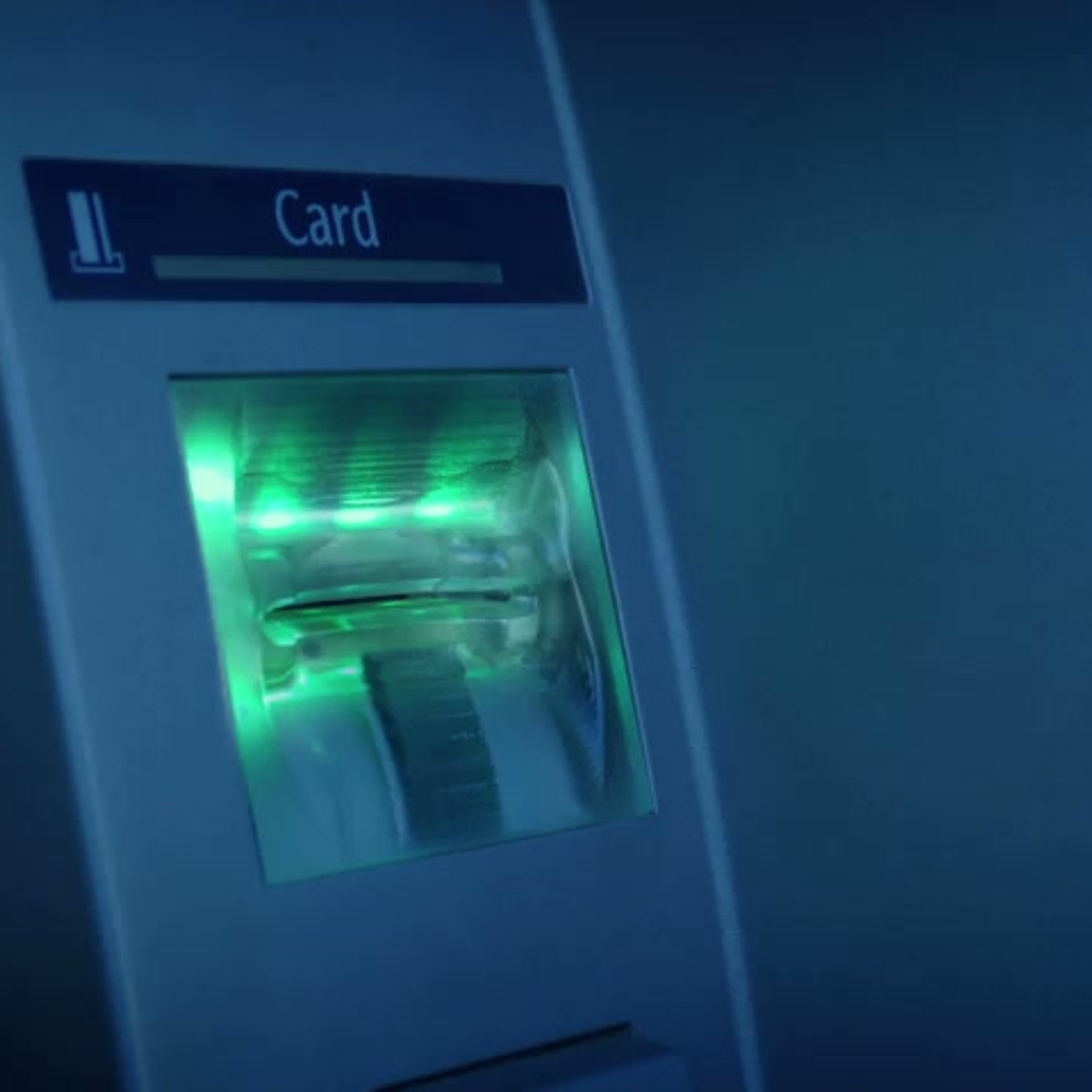
Retail cash kiosks house industrial-grade mechanical, electronic, and physical defense systems engineered for continuous operation in public areas.
Dispenser and Cassette Mechanics
Mechanical dispensers perform the physical work of currency handling inside the locked lower compartment. Precision assemblies ensure consistent bill movement:
- Pick Rollers: High-friction rubber rollers grip single banknotes from the cassette stack, relying on precise surface resistance to prevent multiple notes from feeding simultaneously.
- Optical and Thickness Sensors: Infrared beams check the dimensions and optical density of each bill along the path. Excess thickness triggers an immediate diversion gate, sending double-fed or damaged notes directly to the internal reject box.
- Currency Cassettes: Heavy-gauge composite or steel boxes store bills securely. Terminals support fixed cassettes loaded directly inside the vault or removable cassettes that operators swap out with pre-loaded replacements. Capacities scale from compact single-cassette configurations to multi-cassette systems designed for heavy cash withdrawal volume.
Vault Enclosures and Top-Hat Electronics
Structural framing divides the machine into an upper electronics housing and an armored lower safe.
Non-cash electronics sit inside the top hat, including the main processing board, liquid crystal display screen, thermal receipt paper roll, EMV card reader, and wireless modem. Service personnel access this upper area using a basic mechanical key to swap receipt rolls or check cabling without opening the safe.
Vault construction houses the cash dispenser, note cassettes, and primary power terminal within reinforced walls. Retail vaults fall into two structural classifications:
- Business-Hours Safes: Fabricated from heavy-gauge sheet steel, these enclosures safeguard cash inside monitored buildings during standard business operational hours.
- UL 291 Level 1 Safes: Built using thick steel plates tested to withstand sustained physical attacks from pry bars, high-speed drills, and mechanical impacts. These reinforced cabinets serve unattended vestibules, convenience stores, and exterior locations.
Digital combination locks protect vault doors through relock triggers that seize bolt-work if an attacker attempts to drill through the lock body.
| Component | Function | Maintenance Routine |
|---|---|---|
| Encrypted PIN Pad | Captures and hardware-encrypts user PIN entries | Inspect tamper casing and check operational key responses |
| EMV Chip Reader | Interfaces with payment card microchips | Run specialized alcohol cleaning cards to remove contact pin oxidation |
| Friction Rollers | Strips individual notes from currency cassettes | Wipe down rubber surfaces to clear accumulated currency dust |
| Thermal Printer | Produces cardholder transaction records | Clear paper-path debris and verify optical black-mark alignment |
| Main Processor Board | Directs transaction logic, operating firmware, and I/O | Keep ventilation ports clear of dust and ensure surge protection |
| Cellular Gateway | Transmits encrypted packets to host processing gateways | Verify signal strength and inspect external antenna connections |
Choosing the Right ATM Machine Configuration for Your Space
Floor layouts, structural mountings, and foot traffic paths dictate which hardware style works best for a specific business location. Denali ATM provides GenMega G2500, GenMega NOVA, GenMega Onyx W (Mini Wall & Counter) for Business owners of high-cash traffic establishments such as barber shops, bars, convenience stores, laundromats, and restaurants..
Selecting the proper form factor prevents customer bottlenecks and protects maintenance workflows.
Freestanding Lobby Terminals
Lobby installations represent the standard footprint in retail establishments. Units like the GenMega G2500 anchor through the bottom plate into structural concrete floors, delivering a stable platform near checkout aisles or storefront entrances. Front-facing vault doors enable operators to inspect hardware, retrieve audit journals, and restock bills without moving the machine. If you are comparing standard lobby options, explore our guide on buying a Genmega G2500 alongside key Genmega G2500 buyer tips.
Wall-Mount and Countertop Compact Units
Floor space constraints in high-density locations make freestanding footprints impractical. Bars, compact service shops, and narrow urban retail stores rely on elevated installations to preserve customer walkways.
Compact platforms like the GenMega Onyx W bolt against load-bearing wall studs or secure onto reinforced checkout counters using heavy-duty mounting plates. These machines use shallow dispenser configurations to minimize chassis depth while retaining full EMV compliance and encrypted keypads. To evaluate these spaces, review our mini wall and counter options and our detailed countertop ATM guide.
Through-the-Wall Outdoor Systems
Exterior installations, such as the GenMega GT3000, GT5000, or Tranax 4000, deliver continuous cash access through external structural walls. The front bezel mounts flush against an exterior masonry or storefront aperture, while the vault safe and servicing doors remain protected inside an interior backroom. Weather-sealed chassis components, internal heating strips, and ultra-bright daylight screens ensure reliability in harsh environments. Operators evaluating exterior access models can read our guide on the steps to buy a wall ATM online.
Security Defenses Built Into Modern ATM Machines
Protecting an on-premise atm machine requires integrated defenses against both physical tool assaults and electronic network intrusion.
Physical Tamper Resistance
Criminals using mechanical tools attempt to leverage pry points or dislodge cabinets from the floor. Commercial installation protocols require securing the chassis with heavy expansion bolts set into cured concrete slabs. Solid anchoring provides severe pull-out resistance against tow-strap attacks.
Internal vault mechanisms incorporate mechanical deadlocks called relockers. If a drill bit or punch penetrates the electronic lock body, spring-actuated hardened steel pins fire across the door frame, permanently locking the bolts in place even if the exterior combination dial is destroyed. Business operators can also mount an integrated security camera behind the display panel to capture close-up facial footage of every user.
Data Encryption and Skimming Countermeasures
Card-skimming attacks historically relied on external overlay readers attached over card slots to harvest unencrypted magnetic stripe tracks. Modern hardware neutralizes this vector through multi-tier protections:
- Dynamic Cryptographic Tokens: EMV chip transactions generate dynamic authentication keys for every interaction. Intercepted code packets cannot be cloned to create counterfeit cards.
- Hardware-Level Keypad Protection: The Encrypted PIN Pad encases internal circuitry within a tamper-responsive shell. Drilling into or separating the casing triggers an automated memory wipe that destroys active cryptographic master keys.
- Dispenser Command Pairing: Firmware defenses prevent unauthorized "black box" attacks where an external computer commands the dispenser to dump notes. Motherboards and dispensers communicate using cryptographically paired handshakes, rejecting instructions not signed by the authentic local controller.
- Protected Network Routing: Terminals communicate over TLS-encrypted data pipelines. Independent operators install dedicated wireless cellular terminals to bypass public Wi-Fi access points and shield transaction packets from local network snooping.
What Business Owners Need to Know Before Installing an ATM Machine
Establishing an on-site terminal requires preparing operational workflows, maintaining working cash, and adhering to financial compliance rules.
1. Setting Up Processing and Settlement
Terminal hardware cannot communicate with financial networks without an active ATM processing agreement. Processors issue a unique Terminal Identification (TID) profile, coordinate interchange routing, and manage clearinghouse reconciliation. Management dashboards provide real-time updates regarding terminal status, transaction counts, and cash levels. For contract evaluation steps, read our ATM processor checklist for small business owners and our complete guide on how to choose the best ATM processing service.
2. Surcharge Economics and Surcharge Structuring
Merchant income stems primarily from the surcharge fee assessed on each withdrawal. Cardholders agree to this flat operational fee on-screen before the dispenser releases funds.
Reconciliation occurs automatically via Automated Clearing House (ACH) direct deposits. Surcharges and dispensed vault cash clear back into the merchant’s commercial checking account across subsequent banking business days. Cash-intensive venues like convenience stores, bars, and self-service facilities can recycle on-site register income into the machine vault, lowering bank deposit trips. Venue managers can find specific vertical workflows in our review on how to buy an ATM machine for a laundromat.
3. Calculating Working Capital Requirements
Vault cash refers to the physical money loaded into currency cassettes by the operator. Because settlement deposits cycle back into business accounts within standard banking days, operators do not need an entire month's worth of cash at once. Working balances must cover expected customer withdrawals between scheduled restock visits, with added safety buffers for extended holiday weekends. Detailed cash management procedures are covered in our guide on mastering ATM cash stocking tips.
4. Ongoing Consumables and Preventative Upkeep
Consistent maintenance preserves operational reliability and protects hardware longevity:
- Receipt Rolls: Operators must maintain supplies of proper thermal paper fitted with correct optical timing marks. Running out of paper prompts warning screens that can discourage customer usage.
- Card Track Cleaning: Dust, paper debris, and skin oils build up inside the card slot. Inserting alcohol-treated cleaning cards once a month sweeps the internal EMV contact pins clean to prevent read failures.
- Feed Roller Cleaning: Rubber pick rollers accumulate microscopic paper dust over repeated note passes. Wiping rollers with cleaning solvent during cash replenishments restores grip and prevents misfeed jams.
- Exterior Inspections: Regular physical visual checks ensure that no criminal has affixed false skimming bezels, duplicate overlays, or illicit recording devices over the card channel or keypad.
Frequently Asked Questions
What does ATM stand for?
Automated Teller Machine is the full phrase abbreviated by the acronym ATM. While referring to an "ATM machine" is technically redundant, it is the universal commercial phrase used by merchants, banks, and customers to describe automated cash terminals.
Can you legally own an ATM machine as a private business?
Private citizens and registered commercial entities can legally own and run retail cash terminals throughout the United States. Prospective operators must complete standard know-your-customer paperwork and anti-money laundering compliance verifications through a host processor before receiving live network authorization.
How does a merchant generate revenue from an on-site ATM machine?
Revenues accrue through the per-transaction surcharge fee applied during cash withdrawals. Cardholders accept this fee during the screen prompts, and the processing network deposits the surcharge fees directly into the machine owner's linked bank account along with the reimbursed vault cash.
What happens when an ATM machine runs out of cash or receipt paper?
Whenever currency drops below internal sensor thresholds, the software switches the screen to an out-of-service message and alerts the owner via automated network monitoring. Depleted receipt paper triggers on-screen warning messages, allowing users to choose whether to proceed without a paper printout.


